Search for the best cybersecurity books and you get pentesting manuals and certification prep. Useful if you are learning to break into networks, useless if you are trying to build a security company, invest in one, or run a program at the board level. This list is the second kind: the books that explain the business, the history, and the strategy of cybersecurity, for the people funding it and building it rather than configuring the firewall.
I work with security-adjacent businesses, including inside a national MSP, and I track cyber as an investing category, so I read these for how the industry actually makes money and where the next one gets built. The list is grouped four ways: building and funding cyber companies, leading a security program, the narrative history that explains why this market exists at all, and the strategy books security leaders keep citing. Every title is real and verified. I flagged the popular ones that turn out to be a free PDF or a resource rather than a book, so you do not go looking for something that was never published.
Key Takeaways
- The one book written for exactly this reader is Cyber for Builders by Ross Haleliuk. There is no real substitute; it is the only mainstream book aimed at cybersecurity founders, operators, and investors specifically.
- If you want to understand why the market exists and where the money and the threats both flow, three narrative histories do more than any market map: This Is How They Tell Me the World Ends, Sandworm, and Countdown to Zero Day.
- For the boardroom translation problem, every security leader now faces, The CISO Evolution is the standard text on turning security into business language.
- Watch the fakes. "CISO MindMap" is a free annual resource, not a book. "The New CISO" could not be verified as a real title. This list names them so you do not chase them.
- The tight core shelf, eleven books, is at the end.
Quick Answer
If you are building or funding a cyber company, start with Cyber for Builders for the playbook, The CISO Evolution to understand your buyer, and This Is How They Tell Me the World Ends for the market's origin story. If you invest in the space, add Sandworm and Tracers in the Dark for how nation-state risk and crypto-crime drive budgets. If you build products, The Phoenix Project is the mental model half your customers already run on. That six-book set will teach you more about the business of security than any number of technical manuals, and it pairs with my read on why the best cyber VCs were operators first.
For Building and Investing in Cyber Companies
This is the core of the list and the shortest section, because almost nobody writes books for this reader.
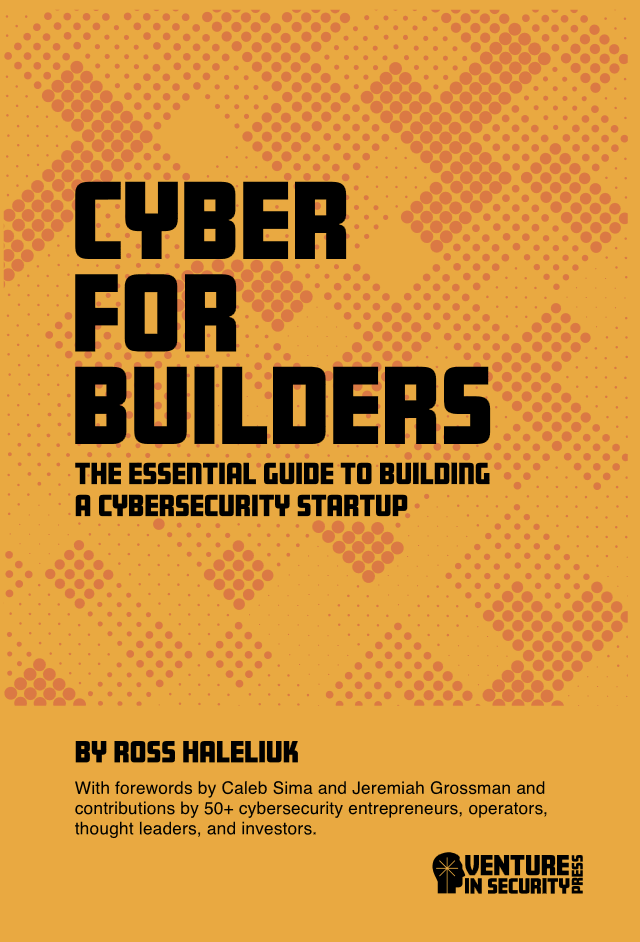
Cyber for Builders, Ross Haleliuk, 2023. The anchor. Haleliuk, who writes the Venture in Security newsletter and co-founded the practitioner-focused angel syndicate I cover in the best cyber angel syndicates, wrote the one book aimed squarely at people building a cybersecurity startup: go-to-market in security, how founders actually reach CISOs, fundraising, and the shape of the industry a builder is dropping into. If you read one book on this list, read this one. It is also the clearest single explanation of why domain insiders make better cyber founders and investors, a thesis that runs through the whole cyber investor landscape.
Cybersecurity Program Development for Business, Chris Moschovitis, 2018. A plain-English guide to building a security program from zero, written for executives rather than engineers. Useful on the other side of the table too: if you are selling into security programs, this is what your buyer is trying to build.
For Leading a Security Program
The CISO job became a business job, and these are the books that treat it that way.
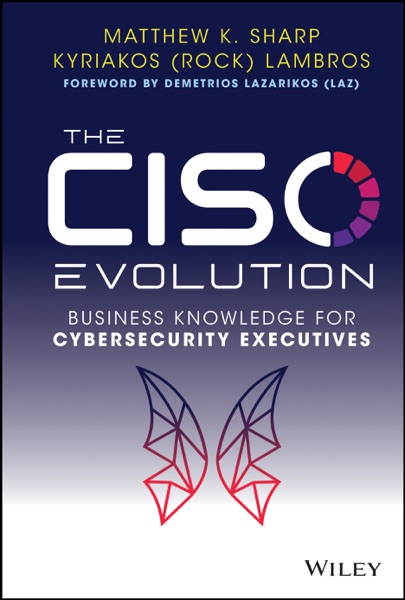
The CISO Evolution, Matthew Sharp and Kyriakos Lambros, 2022. The standard text on translating security into the language of the board: risk, finance, and business strategy rather than threat feeds. This is probably the second book to buy after Cyber for Builders, because understanding how a modern CISO thinks is understanding your customer.
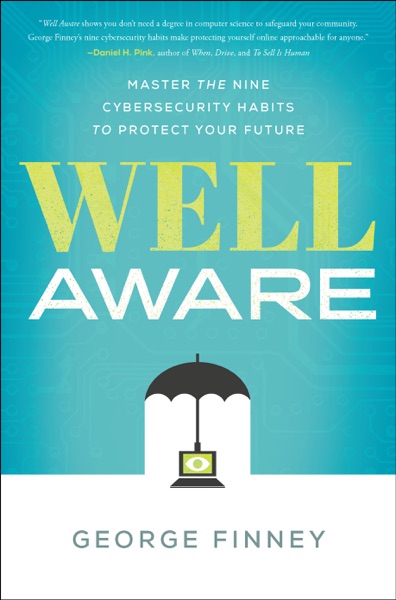
Well Aware, George Finney, 2020. Reframes security as behavior and culture rather than tooling, from a working CISO. A leadership-craft book more than a technical one, and a good counterweight to the assumption that security is something you buy.
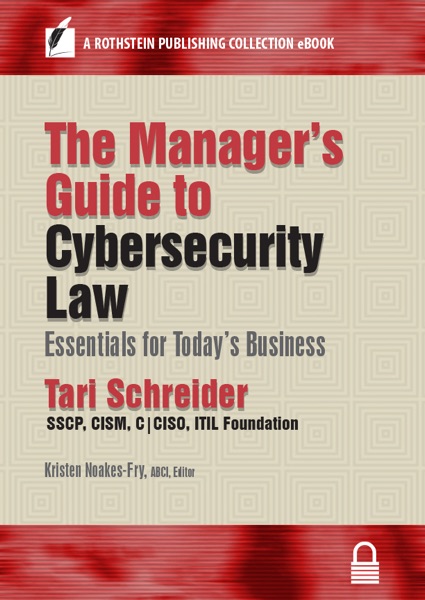
The Manager's Guide to Cybersecurity Law, Tari Schreider, 2017. The non-lawyer's guide to breach liability, contracts, and regulatory exposure. A genuine gap-filler for operators and founders, because the legal surface of security is where a lot of the real business risk lives, and almost no technical book touches it.
The History That Explains the Market
If you want to understand why cybersecurity is a hundred-billion-dollar industry, read the stories, not the market reports. These are also, not coincidentally, the best reads on the list.
This Is How They Tell Me the World Ends, Nicole Perlroth, 2021. The definitive history of the zero-day exploit market. Essential context for anyone building or investing in offensive or defensive tooling, because it explains where the vulnerabilities that drive the whole industry actually come from and get traded.
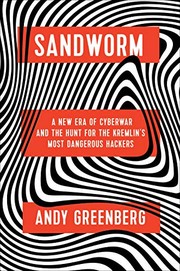
Sandworm, Andy Greenberg, 2019. The story of NotPetya and Russian state cyberwar, and the clearest explanation of the nation-state risk that sets enterprise security budgets. Read it to understand why boards suddenly started caring.
Countdown to Zero Day, Kim Zetter, 2014. The Stuxnet origin story, and the book that made cyberwar legible to a business audience. The moment digital weapons became real, told well.
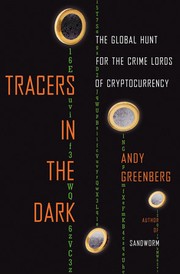
Tracers in the Dark, Andy Greenberg, 2022. Blockchain forensics and the takedown of crypto crime lords. Directly relevant to the current wave of investment into crypto-security and fraud tooling, and a genuine page-turner.
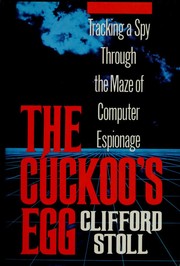
The Cuckoo's Egg, Cliff Stoll, 1989. The founding text of the whole genre: an astronomer-turned-sysadmin hunts a hacker through 1980s networks in real time. Still the best story ever written about how security thinking is born, and every operator worth knowing has read it.
Cult of the Dead Cow, Joseph Menn, 2019. How the original hacking supergroup grew into today's security industry. The best single account of the hacker-to-industry pipeline that still feeds the founder pool, which matters if you invest in who builds these companies.
The Strategy Books Cyber Leaders Cite
Not cyber-specific, but they show up on every serious security-leadership reading list.
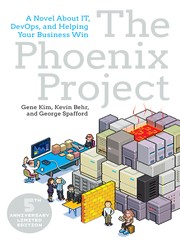
The Phoenix Project, Gene Kim and co-authors, 2013. A novel about IT, DevOps, and security that is cited constantly by CISOs and CTOs. If your customers build software, this is the mental model many of them run on, and understanding it helps you understand how security products get adopted or rejected.
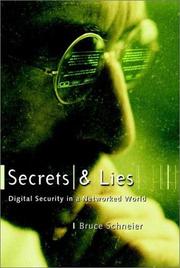
Secrets and Lies, Bruce Schneier, 2000. Schneier's original argument that security is a process, not a product, which shaped how the entire industry thinks about risk. Dated in its examples, timeless in its thesis.
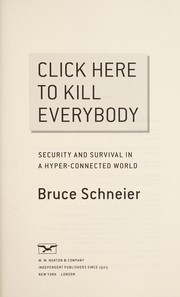
Click Here to Kill Everybody, Bruce Schneier, 2018. Schneier's clearest statement of why cyber now matters at the policy and board level: connected devices, critical infrastructure, and systemic risk. The macro case for the category, from the field's most-quoted voice.
Security Engineering, Ross Anderson, third edition 2020. The closest thing to a canonical reference text in the field, and free in full online. Nobody reads it cover to cover, but every serious security builder should own it and know what is in it.
A Note on the Fakes
A few titles come up in "best cybersecurity books" lists that are not books, and chasing them wastes time. The "CISO MindMap" is Rafeeq Rehman's excellent free annual mind-map resource, not a published book; his actual book is Cybersecurity Arm Wrestling, on building a modern SOC, which is a different and more operational topic. "The New CISO" could not be verified as a real, identifiable book, so I left it off rather than list a title I cannot stand behind. And Zero Trust Networks is a real and good book, but it is a hands-on architecture text, so it belongs on a technical list, not this business-and-strategy one.
The Core Shelf
For someone building or investing in cyber, the tight eleven:
- Cyber for Builders, the only book written for this exact reader
- The CISO Evolution, to understand your buyer
- This Is How They Tell Me the World Ends, for the market's origin
- Sandworm, for nation-state risk
- Tracers in the Dark, for where the money and crime flow now
- Countdown to Zero Day, for the birth of cyberwar
- The Cuckoo's Egg, the origin story everyone name-drops
- Cult of the Dead Cow, for the hacker-to-industry pipeline
- Security Engineering, the reference to own
- The Phoenix Project, for how security products get built and sold
- Click Here to Kill Everybody, for the board-level case
Read the first three now. The histories you can read in any order, and they will teach you more about where to place a bet than most pitch decks. If your interest in cyber runs through the MSP channel, the companion list is the best books for MSP owners, and to see the categories these books describe laid out as a market, start with the cybersecurity market map.
FAQ
Cyber for Builders by Ross Haleliuk. It is the only mainstream book written specifically for people building, running, or investing in cybersecurity companies, covering go-to-market, fundraising, and the shape of the industry. Everything else on the business side is either a security-leadership book aimed at CISOs or a general strategy book applied to security.
Start with the narrative histories that explain where the risk and the money come from: This Is How They Tell Me the World Ends, Sandworm, Countdown to Zero Day, and Tracers in the Dark. Pair them with Cyber for Builders for the founder's view and The CISO Evolution for the buyer's. Those six will teach you more about why the market moves than any single research report.
No. This list is deliberately the business, history, and strategy of cybersecurity, not hands-on hacking or defense manuals. The closest thing to a technical entry is Ross Anderson's Security Engineering, included as a reference to own rather than a book to read cover to cover. If you want the practitioner and pentesting shelf, that is a different list.
Yes. It is the clearest single explanation of how the security industry works, so it is valuable for investors, operators, and security leaders as much as founders. If you sell into cyber, back cyber companies, or run a security program, it maps the terrain you are working in better than anything else in print.