Most reading lists for managed service providers are technical: certifications, tooling, security frameworks. This one is not. If you own an MSP, your hardest problems are not technical, they are the business ones nobody trained you for: getting out of the van, pricing so the margin survives scope creep, selling without feeling like a vendor, building something that runs without you, and eventually deciding whether to sell it or keep it as an asset. This is the shelf for that.
I run growth inside a national MSP and I spent close to a decade in investment banking, a family office, and private equity before that, so I read these through two lenses at once: how you operate the business day to day, and what it is worth to a buyer at the end. The books below are grouped by the job to be done, roughly in the order an owner hits them, from getting out of technician mode to signing a sale. Every title is a real, published book. I deliberately left out the well-known MSP "toolkits" and peer-group programs, because those are training products, not books, and this is a books list.
Key Takeaways
- The single highest-leverage read for a technician-founder is still The E-Myth Revisited. It names the exact trap most MSP owners are stuck in, working in the business instead of on it, before you can escape it.
- For the MSP-specific mechanics, Karl Palachuk is the canon on service delivery and Nigel Moore's Package, Price, Profit is the canon on pricing, which is the single fastest lever on an MSP's margin.
- The value work is the same whether you sell or hold. Built to Sell and The Automatic Customer make the business worth buying, which is exactly what makes it worth keeping: recurring revenue and no owner-dependence give you either a clean exit or a cash-generating asset you actually own.
- Be careful what you call a book. Robin Robins' marketing toolkit, Gary Pica's TruMethods frameworks, and Service Leadership's index are influential in the MSP world, but they are programs and data products, not published books, so they are not on this list.
- The tight core list is at the end: ten books that walk an owner from getting out of delivery to closing the sale, or to a business worth keeping.
Quick Answer
If you read only four, read The E-Myth Revisited to break out of technician mode, Package, Price, Profit to fix the pricing that is quietly capping your margin, Managed Services in a Month to build the recurring-revenue engine, and Built to Sell to make the business worth owning whether you sell it or not. If an exit is on the horizon, add The Art of Selling Your Business and Walking to Destiny. That set maps almost exactly onto the arc this site cares about most: how to value an MSP, what drives the multiple, and what actually makes an MSP exit-ready.
Get Out of the Van
The founding problem of nearly every MSP is that the owner is the best technician and cannot stop being one. These two books are the cure.
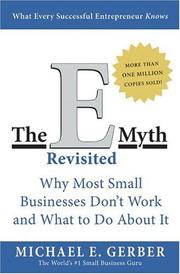
The E-Myth Revisited, Michael Gerber, 1995. The foundational business book for anyone who started a company because they were good at the technical work. Gerber's argument, that most small businesses are built by a technician having "an entrepreneurial seizure" and then trapping themselves, describes the average MSP owner almost too well. You cannot systematize, scale, sell, or comfortably keep what only works when you are the one doing it, and this is the book that makes that click.
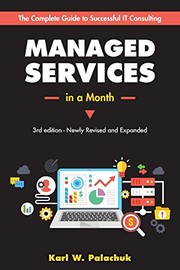
Managed Services in a Month, Karl Palachuk, third edition. The most-cited practical guide to converting a break-fix shop into a real managed-services business: how to structure service agreements, price recurring plans, and onboard clients onto a model where revenue recurs instead of resetting to zero every month. Palachuk is a working MSP operator, and the book reads like it. This is the how-to that pairs with Gerber's why.
Price It So the Margin Survives
Pricing is the single fastest lever on an MSP's profit, and the one most owners set once and never revisit. A book on it earns its place.
Package, Price, Profit, Nigel Moore, 2019. The clearest book on packaging and pricing managed services specifically, from the founder of the Tech Tribe MSP community, who sold his own MSP before writing it. Moore's core argument is blunt: the wrong pricing model is quietly sending MSPs out of business, and simplifying your plans and pricing them properly is faster than winning new logos. If your margins are thin despite decent revenue, this is the most direct fix on the list. It pairs directly with the site's take on MSP pricing models and how much an MSP should charge per seat, and it is the antidote to the profit problem a third of MSPs never solve.
Sell It Without Becoming a Vendor
MSP owners are technicians who had to learn to sell, and most hate it. These two treat selling as a system, not a personality trait.
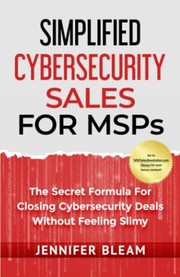
Simplified Cybersecurity Sales for MSPs, Jennifer Bleam, 2020. Security is the highest-value line an MSP can attach, and the hardest for a technical founder to sell without feeling slimy. Bleam's book is the practical guide to closing security-tier deals: how to have the conversation, frame the risk, and price the value. Given how much of the MSP growth story now runs through security, this is a targeted, current read.
MSP Sales Playbook, Megan Killion, 2023. A modern, post-2020 sales system built specifically for MSPs by an operator with hundreds of millions in B2B tech sales behind her. Where Bleam is focused on the security conversation, Killion is the broader "how MSPs actually sell today" playbook, useful if outbound is your gap, and a better use of your time than the outbound agencies that so often disappoint.
Build the Operating System
Once you are out of delivery and the revenue is coming in, the problem becomes running a real company: a leadership team, financial discipline, and processes that hold.
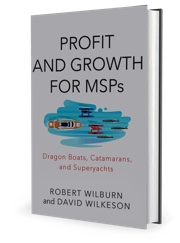
Profit and Growth for MSPs: Dragon Boats, Catamarans, and Superyachts, Robert Wilburn and David Wilkeson, 2024. Written by the two people who created the N-able industry benchmark, so the advice is anchored in benchmark data across a lot of MSPs rather than one founder's memory. It walks through four models to get right, operating, service, growth and organizational, for owners at the sub-$1M, $3M, $10M to $30M and 100-person stages (the three boats in the subtitle). Read it with Traction: Traction gives you the meeting rhythm, this one gives you the benchmark view of what the next stage up looks like.
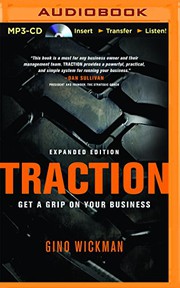
Traction, Gino Wickman. The book behind the EOS operating system, which is close to a default among MSP peer groups. Leadership structure, quarterly priorities, scorecards, and a weekly meeting rhythm. If your MSP has grown past a handful of people and now feels chaotic, this is the framework most of your peers are quietly running.
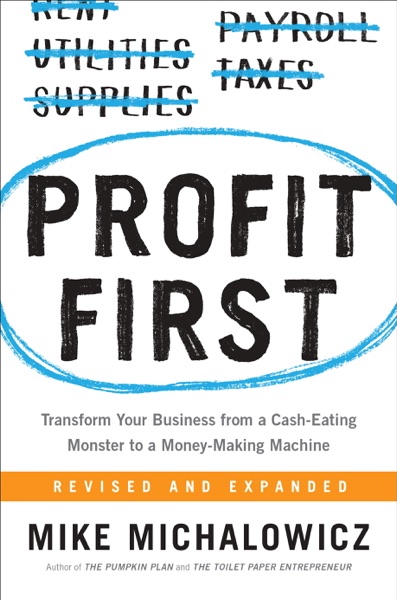
Profit First, Mike Michalowicz. A cash-flow discipline that directly counters the classic MSP problem of healthy revenue and thin actual profit. The method is simple and a little contrarian, take profit off the top before expenses, and it forces the financial habits that a third of MSPs never build.
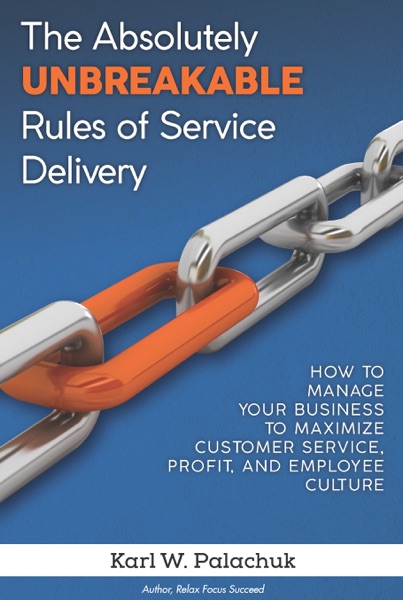
The Absolutely Unbreakable Rules of Service Delivery, Karl Palachuk. Palachuk again, this time on running service delivery to protect margin and culture as you scale past founder-led work. This is where MSP margin quietly leaks, and the book is a direct fix.
The Managed Services Operations Manual, Karl Palachuk. Less a book to read cover to cover than a standard-operating-procedure library to build from: the systematize-the-business reference that turns your operation into something that runs without you, which is the groundwork for either keeping or selling it.
Buy Back Your Time, Dan Martell, 2023. The most current book on founder-time leverage: delegation, hiring, and Martell's "buyback rate" idea for deciding what to stop doing. Aimed squarely at service-business owners still stuck on ten-dollar-an-hour work, which is most MSP owners well past the point they should be.
Exit or Keep Your Business
Here is the reframe most MSP reading lists miss. The work that makes a business sellable is the same work that makes it worth keeping. Recurring revenue, low owner-dependence, and clean financials give you two good options instead of one: a clean exit at a strong multiple, or an asset that throws off cash without eating your life. Read these to build the option, then decide.
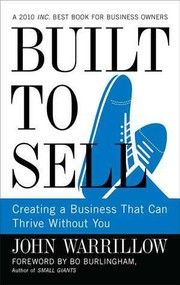
Built to Sell, John Warrillow, 2011. The classic on building a business that can thrive without you: recurring revenue, reduced owner-dependence, and a company someone else could run. Whether you ever sell or not, that is the definition of an asset rather than a job, and it maps directly onto what buyers look for and what moves the multiple.
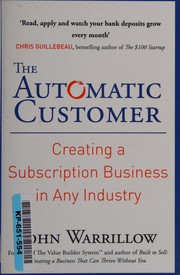
The Automatic Customer, John Warrillow, 2015. The deeper economics of recurring revenue: churn, customer lifetime value, and subscription models. It explains why contracted, sticky MSP revenue is worth what it is, whether that value shows up as a sale price or as durable cash flow you keep collecting.
The Great Game of Business, Jack Stack. Open-book management, teaching your team to think like owners by making the numbers visible. A culture that runs on ownership thinking survives your stepping back, which is what lets you either hand it to a buyer or step into the chairman's seat and keep it.
Sell It Right, When You Choose To
If you do decide to sell, these are the books written for the transaction itself.
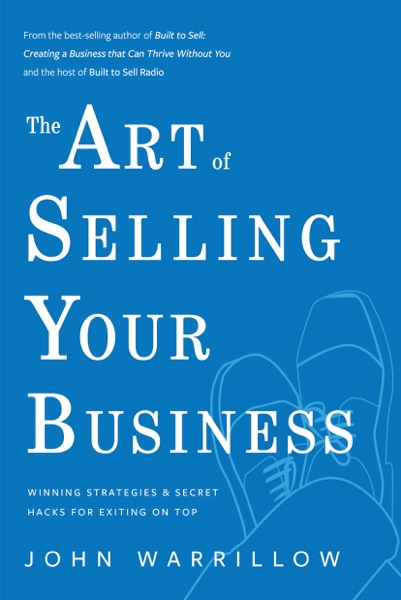
The Art of Selling Your Business, John Warrillow, 2021. Warrillow's direct sequel to Built to Sell, focused on the sale process: buyer types, deal structures, and negotiating from strength. The most transaction-specific of the exit books, and the one to read as the process nears.
Walking to Destiny, Christopher Snider, 2016. The Exit Planning Institute's Value Acceleration Methodology, the closest thing the exit-planning world has to a standard text, since the CEPA credential many M&A advisors carry is built on it. Read it to understand the framework your own advisor is likely using, and to close value gaps years before you sell. It pairs naturally with the site's take on MSP owner pay and the exit and what the median MSP deal actually looks like.
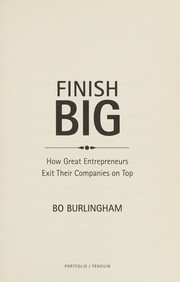
Finish Big, Bo Burlingham, 2014. The one that covers the part most sale books skip: what separates owners who are happy after selling from those who regret it. Built on interviews with owners who exited, it is the psychological and timing companion to the mechanical books above, and a useful gut-check on whether you actually want to sell at all.
A Note on What's Not Here
The MSP world has a few names you will expect on a list like this, and they are missing on purpose. Robin Robins' Technology Marketing Toolkit, Gary Pica's TruMethods material, and Paul Dippell's Service Leadership Index are all genuinely influential, but they are training programs, frameworks, and data products, not published books you can buy and read. Citing them as "books" would be a factual error, and on a site people use to make real decisions, that matters. If any of them publishes an actual book, it earns a place here.
The Core Shelf
If you want the tight version, here is the ten-book list that walks an MSP owner from stuck-in-delivery to a business worth selling or keeping:
- The E-Myth Revisited, to get out of technician mode
- Managed Services in a Month, to build the recurring model
- Package, Price, Profit, to fix the pricing capping your margin
- Traction, for the operating system
- Profit First, for cash discipline
- Buy Back Your Time, to keep pulling yourself out of the work
- Built to Sell, to build an asset instead of a job
- The Automatic Customer, for the recurring-revenue economics that hold value either way
- The Art of Selling Your Business, for the transaction itself
- Walking to Destiny, for the exit-planning framework
Read the first three now, the operating books as you scale, and the last four long before you think you need them. Add Nigel Moore or Jennifer Bleam sooner if pricing or sales is your specific bottleneck. The owners who end up with real choices, sell high or keep and step back, are almost always the ones who started reading the exit books years before they needed them. If cyber is part of your MSP's story, the companion list is the best books for cybersecurity builders and leaders.
FAQ
Start with The E-Myth Revisited by Michael Gerber and Managed Services in a Month by Karl Palachuk. The first breaks the technician-founder trap that keeps most MSP owners stuck doing the work themselves, and the second is the standard practical guide to building a recurring-revenue managed-services model instead of chasing break-fix tickets. Add Package, Price, Profit by Nigel Moore early, because pricing is the fastest lever on your margin.
Package, Price, Profit by Nigel Moore, the founder of the Tech Tribe MSP community. It is the clearest book written specifically on packaging and pricing managed-services plans, and its argument that the wrong pricing model quietly kills MSPs is the most direct fix on this list if your margins are thin despite decent revenue. Pair it with Karl Palachuk's work on service agreements.
No. The work that makes an MSP sellable, recurring revenue, low owner-dependence, and clean financials, is the same work that makes it worth keeping. Books like Built to Sell and The Automatic Customer build the option either way: a clean exit at a strong multiple, or a cash-generating asset that no longer runs your life. Read them to build the choice, then decide.
Built to Sell and The Automatic Customer to build the sellable, recurring-revenue asset, then The Art of Selling Your Business for the transaction and Walking to Destiny for the exit-planning framework your advisor is probably already using. Finish Big covers the personal side of exiting well. Start years before the sale, because most of the value is built long before the deal.
Because it is a marketing training program, not a published book. The same is true of Gary Pica's TruMethods frameworks and Service Leadership's index. They are influential in the MSP world and worth knowing about, but this is a list of actual books, so program and data products are deliberately excluded rather than mislabeled.